

The Hidden Dangers of Polyester | Health Risks & Safer Alternatives to Consider

Polyester is everywhere. From affordable clothing to home textiles, this synthetic fabric has become a staple because it is cheap, durable, and wrinkle-resistant. You can crumple a polyester shirt into a ball, and it will come out looking almost new. Does that trouble you? But beneath its convenience lies a darker side that many don’t realize. Polyester is made from plastic, and its production, use, and disposal carry significant health and environmental risks. This post explores those hidden dangers and offers safer alternatives you can choose with confidence.
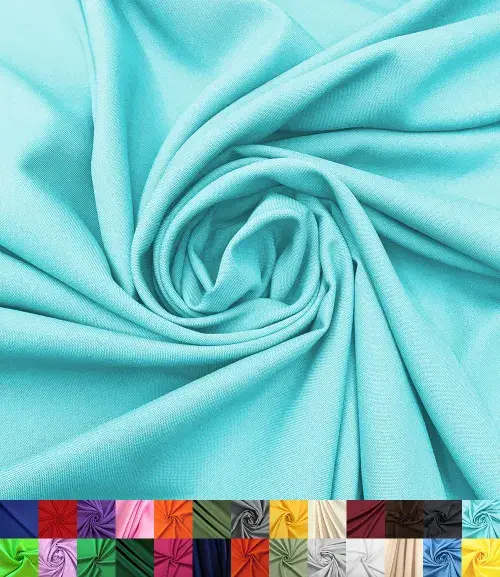
What Polyester Is and Why It’s Popular
Polyester is a synthetic fabric derived from petroleum, a nonrenewable resource. It was first introduced in the 1940s and quickly gained popularity because it is:
Affordable compared to natural fibers like cotton or wool
Durable and resistant to stretching and shrinking
Wrinkle-resistant, making it easy to care for
Quick-drying, which appeals to activewear and outdoor clothing manufacturers
These qualities make polyester a go-to fabric for mass-produced clothing and household items. However, the convenience comes with hidden costs.
Health Risks Linked to Polyester Clothing
Wearing polyester might seem harmless, but research and expert opinions reveal some concerns:
Skin irritation and allergies: Polyester does not breathe well, trapping heat and moisture close to the skin. This can cause itching, rashes, or exacerbate eczema in sensitive individuals.
Chemical exposure: During manufacturing, polyester is treated with various chemicals, including antimony, a toxic metalloid used as a catalyst. Residual chemicals can remain in the fabric and transfer to your skin.
Microplastic pollution: Every time polyester clothing is washed, tiny plastic fibers called microfibers shed into the water. These microplastics enter waterways and oceans, eventually making their way into the food chain, posing unknown risks to human health.
While wearing polyester occasionally is unlikely to cause serious harm, long-term exposure and frequent use raise concerns worth considering.
Environmental Impact of Polyester Production and Disposal
Polyester’s environmental footprint is significant:
High energy use: Producing polyester requires large amounts of fossil fuels and energy, contributing to greenhouse gas emissions.
Non-biodegradable waste: Polyester does not break down easily. When discarded, it can persist in landfills for hundreds of years.
Microfiber pollution: As mentioned, washing polyester releases microplastics that pollute oceans and harm marine life. Studies show that a single synthetic garment can shed thousands of microfibers per wash.
Chemical pollution: The manufacturing process releases harmful chemicals into the air and water, affecting local ecosystems and communities near factories.
These environmental costs make polyester a less sustainable choice compared to natural or organic fabrics.
Safer and More Sustainable Alternatives to Polyester | Natural Eco Friendly Clothing
Welcome to our Natural Eco Friendly Clothing category, where sustainability meets style. We are committed to providing high-quality apparel that not only looks good but also supports a healthy planet. Our collection features a range of clothing options made from organic, biodegradable, and recycled materials.
What We Offer
Cotton/Organic cotton: Grown without synthetic pesticides or fertilizers, organic cotton is breathable, soft, and biodegradable. It supports healthier soil and water systems.
Linen: Made from flax plants, linen is durable, breathable, and requires fewer resources to grow than cotton. It biodegrades naturally.
Hemp: Hemp fabric is strong, resists pests naturally, and improves soil health. It is also biodegradable and requires less water than cotton.
Much More: For everyone of all ages.
By choosing our Natural Eco Friendly Clothing, you are not only making a fashion statement but also contributing to a more sustainable future. Shop with us today and embrace eco-conscious fashion!
How to Make Smarter Clothing Choices
Check labels: Look for certifications like GOTS (Global Organic Textile Standard) or OEKO-TEX, which indicate safer and more sustainable production.
Buy less, choose well: Invest in quality pieces that last longer instead of fast fashion items made from polyester.
Support brands with transparency: Many companies now share their sourcing and manufacturing practices openly.
Thrifting Clothing & Household Goods: Thrifting clothing and household goods promotes sustainability, saves money, and allows for unique finds that add character to your wardrobe and home.
Care for your clothes properly: Washing synthetic fabrics less often and using microfiber-catching laundry bags can reduce microfiber pollution.
For those interested in exploring safer options, our Natural Eco Friendly Clothing offers a curated selection of eco-friendly garments made from natural fibers.
Final Thoughts on Polyester and Your Choices
Polyester’s convenience and low cost have made it a dominant fabric worldwide, but the health and environmental risks it carries are real. From skin irritation to microplastic pollution, polyester’s impact extends beyond the wardrobe. Choosing natural and organic fabrics can protect your health and the planet. Small changes in what you wear and how you care for your clothes add up to a big difference.
Explore safer alternatives today and make choices that support a healthier future for yourself and the environment. Visit our Natural Eco Friendly Clothing to find stylish, sustainable options that feel good and do good. We heal and thrive together.
In Sacred Service,
Heather G.


Comments